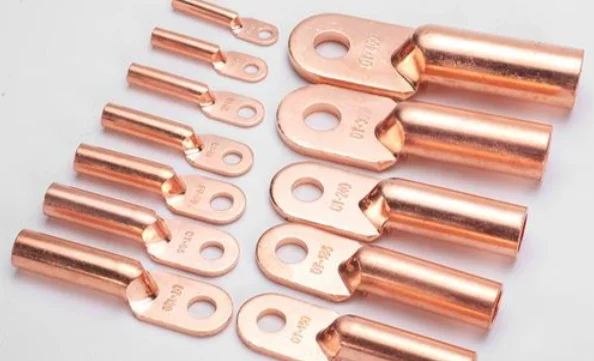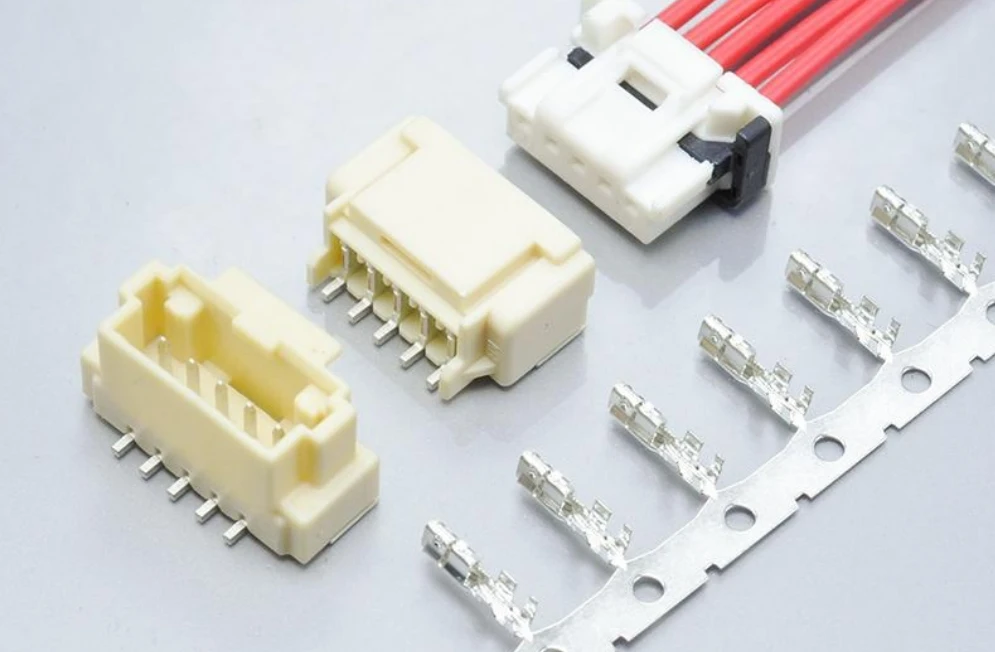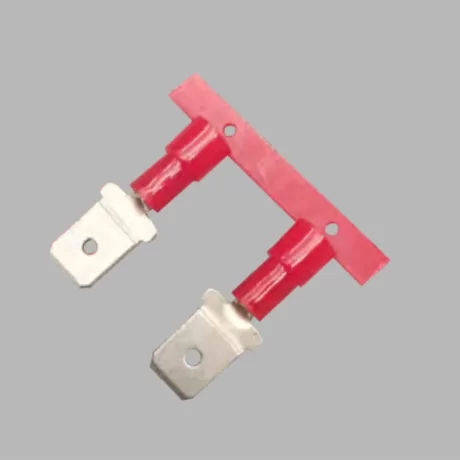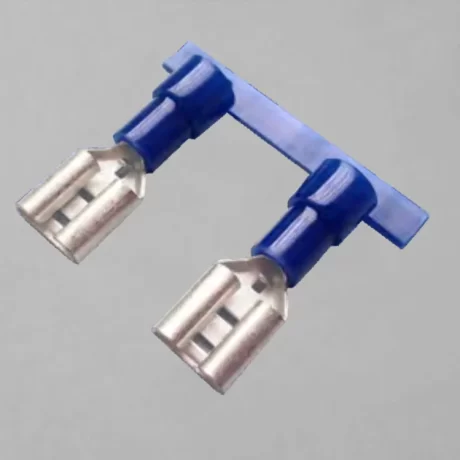
What factors influence electrical terminal prices? Most manufacturers choose to customize terminals and connectors according to their actual needs to select suitable ones, as the terminals used vary with each different electronic product. This customization leads to price uncertainties for terminals. The following aspects all affect the price of terminals:
Different Raw Materials Have Different Prices
In scenarios with low requirements for electrical conductivity, aluminum conductors are more commonly used due to their lower cost, though they have slightly poorer electrical conductivity than copper. Copper conductors, featuring good electrical conductivity, low resistance, and relatively higher prices, are contrasted with aluminum. Common conductors like these, including copper and aluminum, have their materials significantly influencing terminal costs.
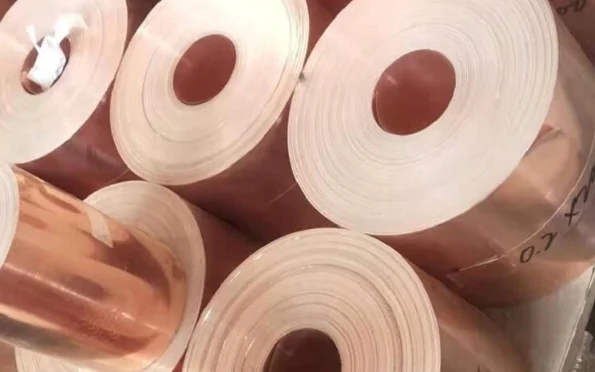
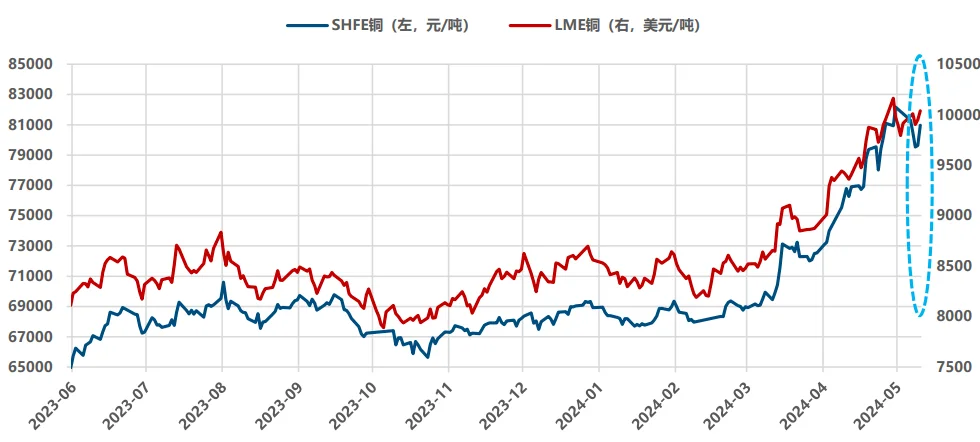
Fluctuations in Terminal Raw Material Prices
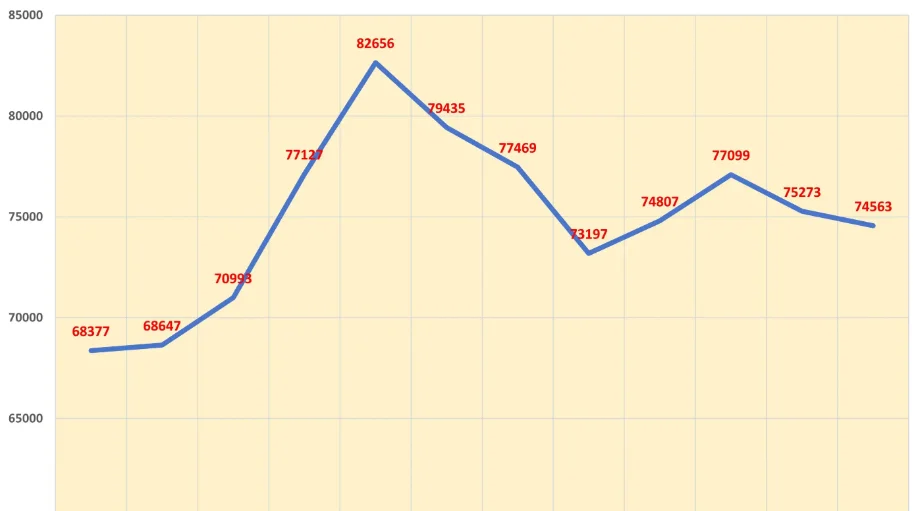
The daily price of terminal raw materials significantly impacts the production cost of finished terminals and connectors. For example, the price of copper, a key raw material, varies daily. When copper prices rise, the raw material cost of terminals and connectors increases accordingly; conversely, when copper prices fall, the cost of terminals and connectors decreases.
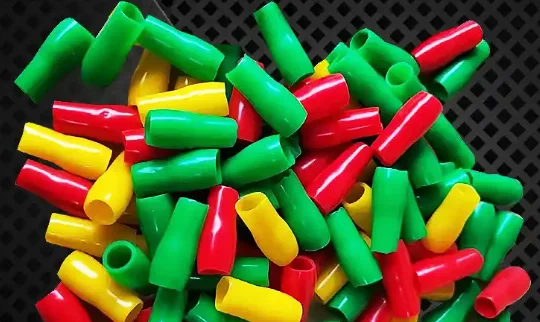
Prices of terminals and connectors Plastic Housings and Other Raw Materials
The prices of terminals and connectors plastic housings vary among different brand manufacturers. Additionally, they can be categorized by production origin into domestic and imported types. The insulating part of the terminal plastic housing, which influences these factors, also affects the price of terminals and connectors.
Influence of Other Raw Materials
Differences in terminals and connectors prices are also led by the use of additional raw materials, such as printed white tubing, fiber tubing, heat-shrinkable tubing. In addition to the plastic housing and main terminal body, these are the other raw materials that terminals and connectors may use.
Processing Difficulty and Production Technology of terminals and connectors
Higher labor input leads to a higher price than ordinary terminals and connectors, as we adjust prices according to the processing difficulty of each terminal after considering the prices of all raw materials. Additionally, the degree of automation affects prices. Sheathed terminals produced by automated processes have stable quality and are highly efficient, but their equipment and technology costs are high, resulting in relatively expensive prices; while some manually produced products may have lower prices, their quality and consistency are difficult to guarantee.
Market Dynamic Adjustment Mechanism
The supply-demand relationship exhibits obvious periodic characteristics: terminal demand increases by 37% during the expansion period of the new energy vehicle industry, leading to sustained high prices. Changes in the international trade environment (such as tariff adjustments) can cause the cost of imported components to fluctuate by 12%-15%. When the traditional home appliance market is weak, suppliers may accept a 5%-8% price concession to maintain capacity utilization.
Hidden Costs of Customized Services
Special specification customization involves multi-dimensional costs: expedited service fees for urgent orders are typically charged at 15%-20% of the total price; special performance requirements such as high temperature resistance (>150℃) and corrosion resistance double material costs; non-standard size design increases mold modification costs by 30%-50%. These hidden expenses are often overlooked by first-time inquirers.
Added Value of Channels and Services
The usage efficiency of end users can be improved by supporting value-added services (such as free model selection consulting and failure analysis), which may increase comprehensive costs by approximately 8%. Direct sales from original manufacturers, though on average 10%-15% lower than agent channels, lack flexible service support.
Quality and Specifications of terminals and connectors
The prices of terminals and connectors are influenced by their specifications and quality. High-quality terminals and connectors have good corrosion resistance, mechanical strength, contact performance. This ensures reliable connections, but they also come with higher costs. Different specifications and types of terminals and connectors, such as crimp-type and weld-type, vary in manufacturing processes and materials. This leads to different prices.
Brand and Market Factors
Brands are also one of the factors affecting prices. Well-known brands are relatively more expensive, because they typically focus on product quality and research and development, Therefore, they have good credibility and reputations in the market.

The price of sheathed terminals and connectors is also affected by the market supply and demand relationship finally. Prices may fall conversely when market demand is weak or supply is relatively sufficient; prices may rise if market demand is strong and supply is relatively insufficient.
In summary, terminal and connector prices are comprehensively influenced by multiple factors such as market supply and demand, brands, production processes, terminal specifications, conductors, and materials. Procurement decisions should establish a multi-dimensional evaluation system to achieve reasonable cost-performance ratio through supply chain optimization while meeting technical parameters. The price of terminal blocks is essentially a composite reflection of service capabilities, market laws and technical value. When selecting terminals and connectors, it is necessary to consider actual needs and budgets.
Continue Reading
How to Analysis Terminal Material and Welding Process?
How Many Types of Electrical Terminals and Connector?(Guide for 14 Types)
Connection Methods and Analysis of Terminals and Connectors(5 Necessary Steps)
Electrical Terminal Materials: 4 Key Points (+How to Select?)
How many types of connector and terminal insulation materials(3 major categories)?
What Certifications Do Terminals and Connectors Need? (6 Common Types)