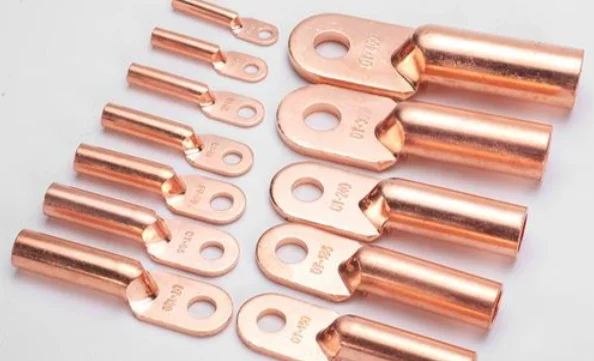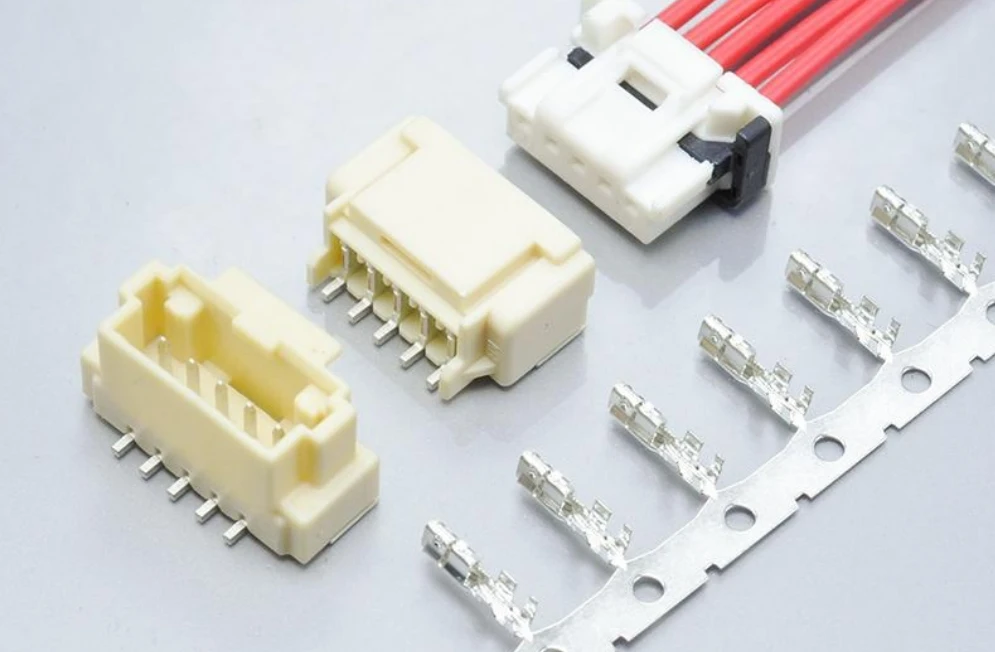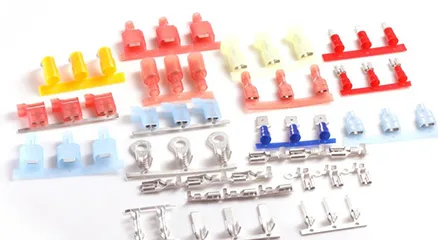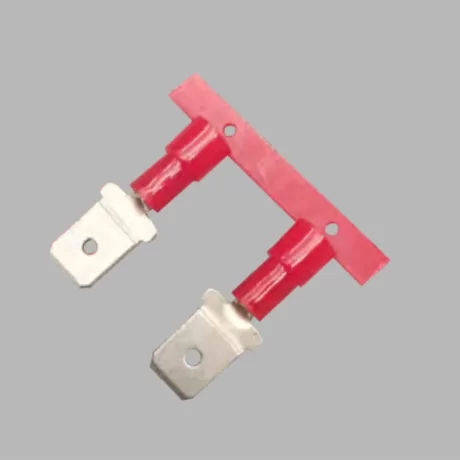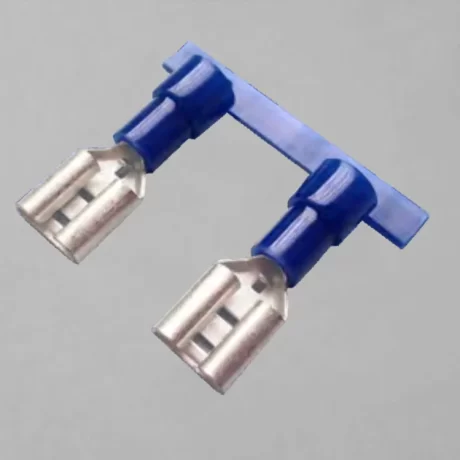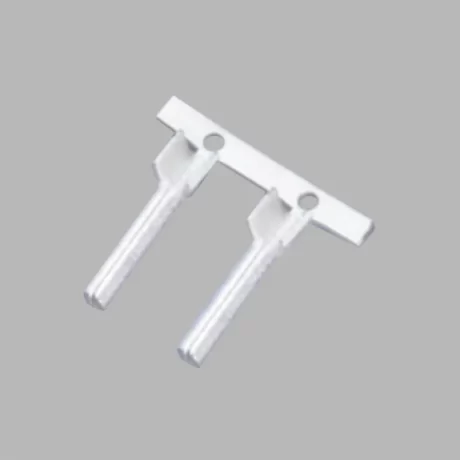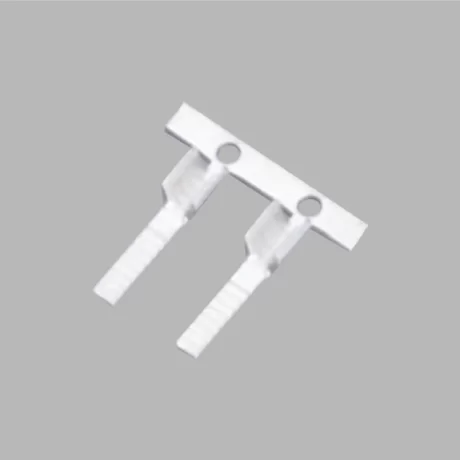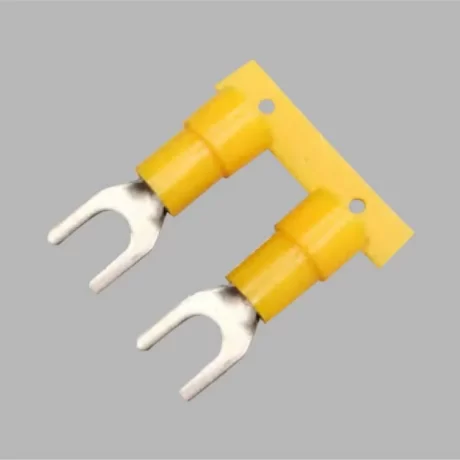
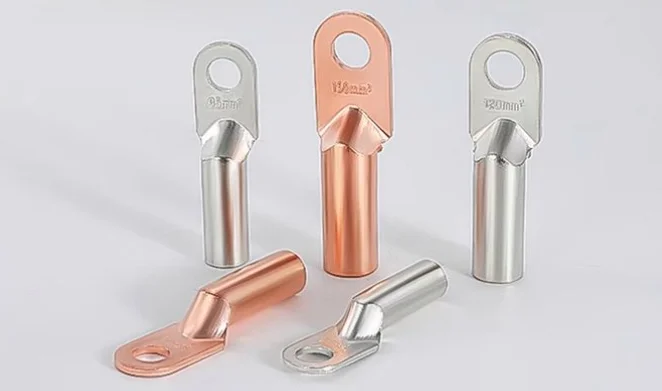
Tinted copper and bare copper are the most common conductors of terminals and connectors. The the most obvious difference between them is the thin layer of tin coating on the copper. If the other terminals raw materials are the same, which one is the best or most feasible choice for you?
Next, we have made an ultimate comparison based on their features, benefits, and applications. Then, you can make your decision after considering your budget and application environment.
Tinned Copper terminals VS Bare Copper terminals
| Aspects | Tinned copper terminals | Bare copper terminals |
| Conductor material | Copper and coated tin | Copper |
| Corrosion resistance | Better | Poor |
| Antioxidant | Better | Poor |
| Soldering | Easier | Harder |
| Longevity | Longer | shorter |
| Flexibility | Soft | Softer |
| Thermal conductivity | good | better |
| Conductivity | Good | Better |
| Cost | More expensive | Cost-effective |
| Suitable Environment | Humid, salty environment | Dry, controlled environments |
| Applications | offshore applications, subway systems, utility project, | Electrical transmission, residential electrical wiring, grounding electrical systems |
1. Conductor raw material
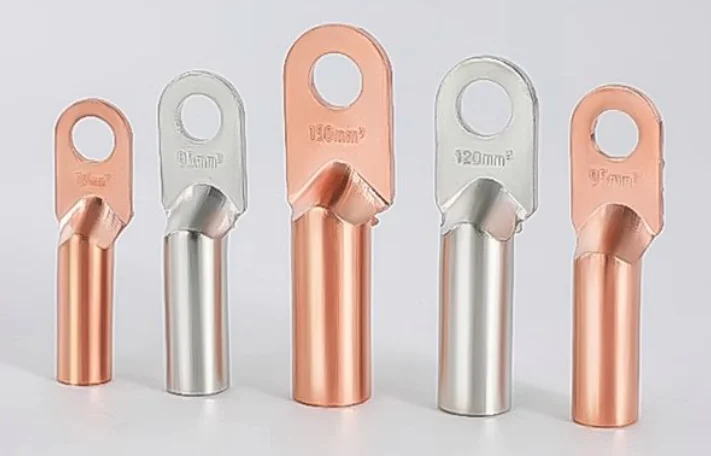
Bare copper refers to pure copper conductors, that is, copper surfaces don’t have any plating processing. The bare copper appears in the color of the copper——yellow or copper red, which mainly depends on the copper’s purity. Under normal circumstances, the copper content in oxygen-free copper is over 99.97% and is over 99.95% in low oxygen copper.
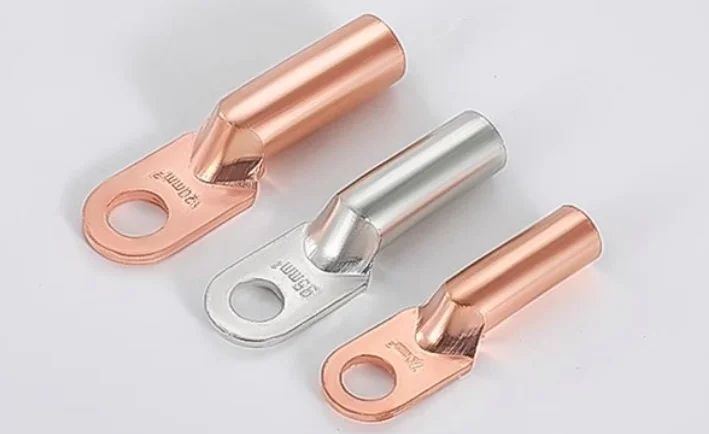
Tinned copper terminals refers to copper with a metallic tin coating on its surface. It appears in the color of silver for tin is a silver metal, but you can also see the yellow copper on the core. Coated tin is mainly to prevent copper from being exposed to air and cause corrosion and oxidation to form oxides.
2. Antioxidant and corrosion resistance (Tinned copper terminals√)
The bare copper terminals is susceptible to being oxidized and corroded in that it is directly exposed to the air and moisture. Especially in humid or chemically aggressive environments, it is easier to have such a reaction. The chemical element of copper “Cu” is easy to react with the air(O2 and CO2) and water(H2O) to be copper oxides like copper green which will affect the functionality of the bare copper terminals. Moreover, the base copper terminals also easily reacts with aluminum terminals to make an electrolytic corrosion effect, causing safety risks.
Then, the influence of copper oxides and corrosion asks for preventive measures, such as adding a layer of protection.
Thanks to the coated tin, the tinned copper terminals boasts good antioxidant and corrosion resistance. This is because there is a reacted protective film on the tin which makes it stay stable in the air. The tin coating avoids direct exposure of copper to air, moisture, and corrosive chemicals, significantly reducing the possibility of oxidation and corrosion. Such prevention ensures long-term functionality and reliability of the terminals when the environment becomes a big problem.
3. Soldering (Tinned copper terminals√)
The obstruction in soldering bare copper terminals lies in meticulous preparations. The oxides of copper don’t conduct heat and are difficult to adhere the solder, so it is a must to remove the oxidation layer before soldering with flux or mechanical abrasion. This, then, adds time and complexity to the soldering process. Otherwise, the remaining oxides may result in weak joints and poor solder adhesion, increasing the failure of electrical circuits.
However, the coated tin enhances solderability for it has a clean and oxidation-free surface, delivering more reliable solder joints with minimal effort. The statistic shows that tinned copper terminals achieves 95% solder joint reliability in electronics manufacturing compared to 75–80% for bare copper terminals.
4. Longevity (Tinned copper terminals√)
While durable in a dry or controlled environment, the lifespan of the bare copper terminals is significantly influenced by accelerated corrosion and oxidant. This causes more subsequent expenses in frequent replacements and maintenance.
The combination of the above several benefits of tinned copper extends its operational lifespan. Especially in harsh environments, the tinned copper terminals has a
higher value for it can last 2-3 times longer than bare copper terminals.
5. Flexibility and thermal conductivity (Bare copper terminals√)
The bare copper terminals is highly flexible and ductile, making it super easy to bend, twist, and manipulate. Excellent flexibility allows it to be widely used in complex wiring systems for frequent movement and adjustments. The tin coating makes the terminals slightly more rigid, but it retains sufficient flexibility to be practical for most applications.
The high thermal conductivity(385 W/m·K) of copper makes the bare copper terminals a good choice for high-temperature applications like electrical wiring. On the other hand, though the tin is about 66.8 W/m·K which is lower than the copper, the small amount of tin also keeps tinned copper terminals practical in most thermal dominates.
6. Conductivity (Bare copper terminals√)
Bare copper terminals is a pure copper conductor that possesses unmatched strong conductive properties(100% IACS), making it the preferred choice for applications requiring maximum electrical efficiency, such as power transmission and grounding systems. However, the possible copper green has poor conductivity and can increase resistance, which may affect the conductivity of the bare copper terminals over time, especially in a humid environment.
The conductivity of tin is only about 14% IACS, lowering the whole conductivity of the thinned copper terminals which is about 93%-94% IACS. But this impact is negligible for most practical applications. The slight trade-off is justified by the enhanced protection the tin layer provides, ensuring reliable performance in corrosive or humid environments.
7. Cost (Bare copper terminals√)
Cooper is a high-value metal and its price fluctuates based on the market which is approximately $4-$5 per pound. On the other hand, tin prices have been rising due to a global shortage of tin and a higher demand for tin in various fields like electronics terminals. In the hand of 2025, the tin price is currently around $14 per pound. However, the amount used in tinning is minimal which keeps the overall cost impact low.
The initial cost of tinned copper terminals($12-$16 per pound) is typically 10%-20% higher than bare copper terminals($10-$14 per pound), but it also has long-term savings which are justified by its superior performance and durability in demanding environments.
8. Environment and Actual applications
As we have mentioned above, tinned copper terminals is preferred in harsh, corrosive, wet, and saltwater environments where its valued performance takes effect. In fields like offshore applications, automotive wiring, subway systems, and utility projects, tinned copper terminals may play a bigger role.
The bare copper terminals is ideal for dry, high-temperature, and controlled environments for it is easy to corrode and oxidize. So it is more practical in those fields, such as electrical transmission, residential electrical wiring, grounding electrical systems, electrical appliances, and more.
Which One is Your Best Choice?
Your final choice ultimately depends on your actual applications, environmental conditions, and budget. Bare copper terminals is slightly excellent in conductivity, flexibility, and thermal conductivity, making it a great choice for multiple applications, especially in dry or high-temperature environments. While tinned copper terminals with a layer of protective tin offers better performance in corrosion resistance and antioxidant, and has a longer lifespan and easier soldering process, especially excelling in the environment where corrosion, moisture, or chemicals pose a threat. Moreover, the tinned copper terminals needs a higher primary cost for additional tin cost but it also precludes possible expenses in subsequent maintenance.
All in all, considering your budget and thinking ahead potentially hard environments can prevent total replacement jobs in the future. KingTerminals is a professional manufacturer of both bare copper terminals and tinned copper terminals, if you have any more questions or custom requirements, welcome to contact us!
Continue Reading
How to Analysis Terminal Material and Welding Process?
How Many Types of Electrical Terminals and Connector?(Guide for 14 Types)
How to Select Copper Terminals and Connectors (12 useful Tips)
Electrical Terminal Materials: 4 Key Points (+How to Select?)
What factors determine the cost of electrical terminals and connectors? (10 Key Factors)
How many types of connector and terminal insulation materials(3 major categories)